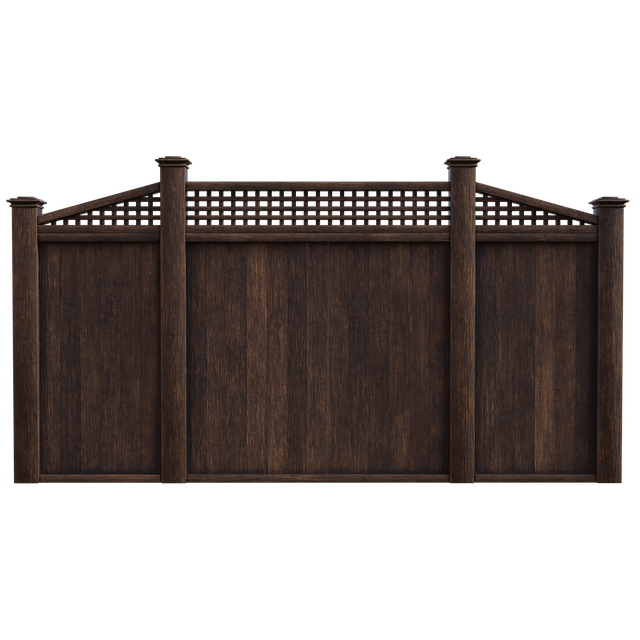
In New Bedford, a well-maintained fence is not just an exterior accent but a vital component of property value and security. However, fences often face common issues like rot, damage from severe weather, or need for aesthetic upgrades. This article guides you through the process of repairing and installing new fences in New Bedford, focusing on identifying typical problems, selecting durable materials suitable for the local climate, mastering installation techniques, and offering essential maintenance tips to ensure your fence stands strong against time and elements.
- Understanding Common Fence Issues in New Bedford
- Choosing the Right Fence Material for Your Property
- The Installation Process: Step-by-Step Guide
- Maintenance Tips to Prolong Fence Lifespan
Understanding Common Fence Issues in New Bedford
Fences in New Bedford, like anywhere else, face a variety of challenges due to environmental factors and regular wear-and-tear. Common issues include rot, especially in wooden fences, caused by high moisture levels and extreme weather conditions. This often manifests as peeling paint, warped boards, or soft, crumbling wood. Another frequent problem is damage from pests like termites and carpenter ants, which can compromise the structural integrity of the fence over time.
Additionally, heavy winds and storms can lead to loose or missing boards, posts bent out of place, or even entire sections blown over. These events are not only damaging but also pose safety risks, making prompt repair or replacement crucial. Other concerns involve poor initial installation, such as uneven posts, incorrect spacing, or subpar materials, which can lead to long-term problems and the need for frequent maintenance or complete replacement.
Choosing the Right Fence Material for Your Property
When considering fence repair or installation, selecting the appropriate material is a significant decision. The right choice should balance aesthetics with functionality and longevity. Factors to weigh include your property’s climate, desired level of privacy, budget, and maintenance preferences. For example, while wood offers a classic look and can be relatively low-cost, it requires regular treatment against rot and pests.
On the other hand, vinyl fences are low-maintenance, durable, and available in various styles. They’re an excellent pick for those seeking both functionality and visual appeal without the hassle of frequent upkeep. Steel or iron fences provide exceptional security and a robust aesthetic but might be pricier and necessitate professional installation.
The Installation Process: Step-by-Step Guide
The installation process for new fences begins with measuring and marking the perimeter to ensure a precise fit. Next, dig holes for the fence posts, which should be deep enough to provide stability against shifting soil. Once the posts are placed and secured in concrete, it’s time to attach the fence panels or rails. This involves connecting them to the posts using brackets or other hardware, ensuring a secure fit at each joint.
For additional security, consider adding a top rail and fencing off any areas that require extra protection. Regular maintenance, such as tightening connections and repainting, will prolong the life of your new fence.
Maintenance Tips to Prolong Fence Lifespan
Regular cleaning and inspection are key to maintaining your fence and ensuring its longevity. Over time, debris, dirt, and even mold can accumulate on and around the fence, compromising its structural integrity. A simple pressure wash or brush can help remove built-up grime, keeping the fence looking fresh. Inspecting for any signs of damage, such as broken boards, loose posts, or rot, should be a regular part of your upkeep routine. Addressing these issues promptly will prevent them from escalating and causing more extensive (and costly) repairs down the line.
Additionally, applying a fresh coat of paint or sealant every few years can protect your fence from the elements, including sun exposure and moisture, which can lead to wood deterioration. Using high-quality materials suitable for outdoor use ensures that your fencing remains sturdy and attractive for many years to come.