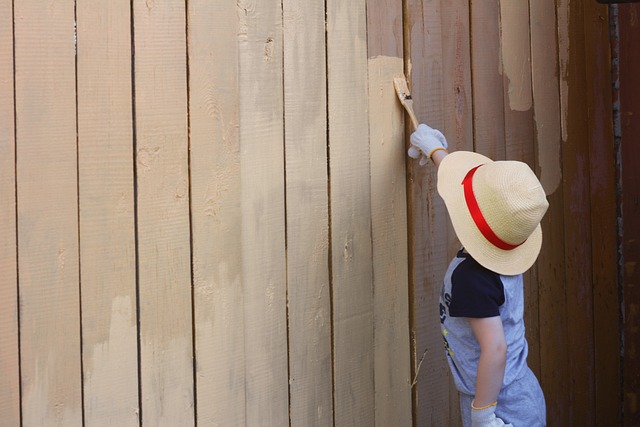
Coastal fencing serves as a critical barrier between the serene beauty of the ocean and the protection of properties. In regions where salt, wind, and weather wield significant impact, durable wooden fencing becomes a testament to resilience and design ingenuity. This article delves into the selection of robust materials that withstand coastal resilience, detailing the design considerations necessary for enduring saltwater exposure. It also outlines effective installation techniques to counteract high winds, ensuring your fence stands firm against the elements. Furthermore, maintenance strategies tailored for marine environments are examined to guarantee longevity and performance. By exploring these facets, homeowners and contractors can safeguard their coastal properties with fencing that is both aesthetically pleasing and functionally sound.
- Material Selection for Coastal Resilience
- Design Considerations for Saltwater Exposure
- Installation Techniques to Withstand High Winds
- Maintenance Strategies for Longevity in Marine Environments
Material Selection for Coastal Resilience
When selecting materials for durable wooden fencing in coastal areas, it is crucial to consider the harsh environmental conditions that these structures will endure. Coastal environments are characterized by salty air and high humidity levels, which can rapidly degrade traditional wood types if not properly treated or chosen. For optimal resilience, marine-grade materials such as cedar, redwood, or tropical hardwoods like teak are preferred due to their natural resistance to rot, decay, and pests. These woods are denser and have natural oils that offer protection against the corrosive effects of saltwater and sunlight. Additionally, pressure-treated lumber impregnated with preservatives can be an effective solution, providing a longer lifespan than untreated wood. It is also advisable to use weather-resistant fasteners and coatings to further protect the wooden components from environmental stressors. Proper maintenance, including regular inspection and timely treatments, will ensure that the fencing remains sturdy and visually appealing for years to come, offering both protection and aesthetic appeal in the face of coastal challenges.
Design Considerations for Saltwater Exposure
When designing wooden fencing specifically for coastal areas, architects and builders must prioritize materials and construction techniques that withstand saltwater exposure, a prevalent environmental challenge in such environments. The corrosive effects of salty air can quickly degrade unprotected wood, leading to costly repairs or early replacement of fencing. To mitigate this, select hardwood species known for their natural resistance to decay and rot, such as cedar, redwood, or cypress, are often chosen. These woods possess natural oils and extractives that offer a degree of protection against the elements.
Moreover, the design should incorporate strategic overhangs and protective details to minimize direct contact between the wood and the salt-laden environment. This can be achieved through the use of flashing, detailed trim work, and gutters that channel water away from wooden surfaces. Additionally, a robust maintenance plan is essential, involving regular cleaning, inspection, and treatment with preservatives or sealants that repel moisture and protect against fungal growth. By integrating these considerations into the design, wooden fencing can remain a durable and aesthetically pleasing solution for coastal properties, enduring the unique conditions presented by the marine environment.
Installation Techniques to Withstand High Winds
When installing durable wooden fencing in coastal areas, it is imperative to employ techniques that can withstand the high winds commonly experienced in such environments. The unique challenges posed by the coastal climate necessitate a robust installation process. Firstly, selecting the right type of wood is crucial; materials like cedar and redwood are favored due to their natural resistance to rot and pests. Additionally, pressure-treated lumber can be effective when properly maintained. The fencing design should allow for air circulation and water runoff to minimize moisture retention, which can accelerate decay.
The installation itself must account for the prevailing wind directions and speeds. Fences should be anchored deeply into the ground to provide stability. This may involve setting posts in concrete and using braces or guy wires to tie the fence to solid anchor points, such as the main structure of a home or a concrete pad designed specifically for this purpose. The spacing between posts can also affect wind resistance; closer spacing can offer more structural integrity. Moreover, using interlocking panels or a lattice design at the top of the fence can help to break up the wind and reduce the forces exerted on the fence. Regular maintenance, including inspections and tightening of hardware, is essential to ensure the fencing remains secure over time, further safeguarding against the damaging effects of high winds in coastal areas.
Maintenance Strategies for Longevity in Marine Environments
When installing durable wooden fencing in coastal areas, it is imperative to adopt maintenance strategies that address the unique challenges posed by marine environments. The salinity and humidity in the air, coupled with the abrasive action of saltwater, can rapidly degrade timber if not properly protected. To mitigate these effects, treatments with weather-resistant coatings are essential. These coatings serve as a barrier against water intrusion, UV radiation, and salt deposits, which are detrimental to wood’s integrity. Regular inspections should be scheduled to identify and address any areas of wear or damage early on. This proactive approach can prevent more extensive repairs down the line.
For optimal longevity, selecting the right type of wood is crucial. Species that are naturally resistant to decay, such as cedar and redwood, are recommended for their inherent resistance to the elements. Additionally, pressure-treated woods, which have been infused with preservatives during manufacturing, can significantly enhance durability. Beyond initial material selection, ongoing maintenance includes thorough cleaning with fresh water to remove salt buildup, followed by application of protective sealants or stains every one to three years, depending on exposure levels and the type of wood used. Regular upkeep not only extends the lifespan of the wooden fencing but also preserves its aesthetic appeal, ensuring that it remains a functional and attractive boundary feature for many years.